All Categories
Featured
Staff member reimbursements will be tax-free if their private health insurance uses minimum vital protection (MEC). Employers can repay workers for out-of-pocket expenses and health insurance premiums, consisting of those for an HMO or PPO strategy. Specific protection HRA (ICHRA): An ICHRA is also a stand-alone HRA, but it's available to employers of all sizes and has no contribution limits.
Common Annuity Myths
They should have a certifying form of individual health protection to take part. Companies can set various allowances based upon employee classes for added personalization. Group coverage HRA (GCHRA): Likewise called an incorporated HRA, a GCHRA is for employers of any size who use a group health insurance. Just employees enrolled in their company's group strategy can get involved.
Common Annuity MythsWhile they have no optimum contribution limits, the IRS doesn't allow reimbursements for monthly premiums. No matter whether it's used in coordination with an HMO or PPO strategy, there's an HRA that can assist staff members pay for their out-of-pocket medical costs and, in some cases, their health insurance premiums. An HRA is a popular alternative option over traditional health benefits due to the fact that they're economical for employers and versatile enough for every single staff member.

Affordable Plan Choices for US Veterans
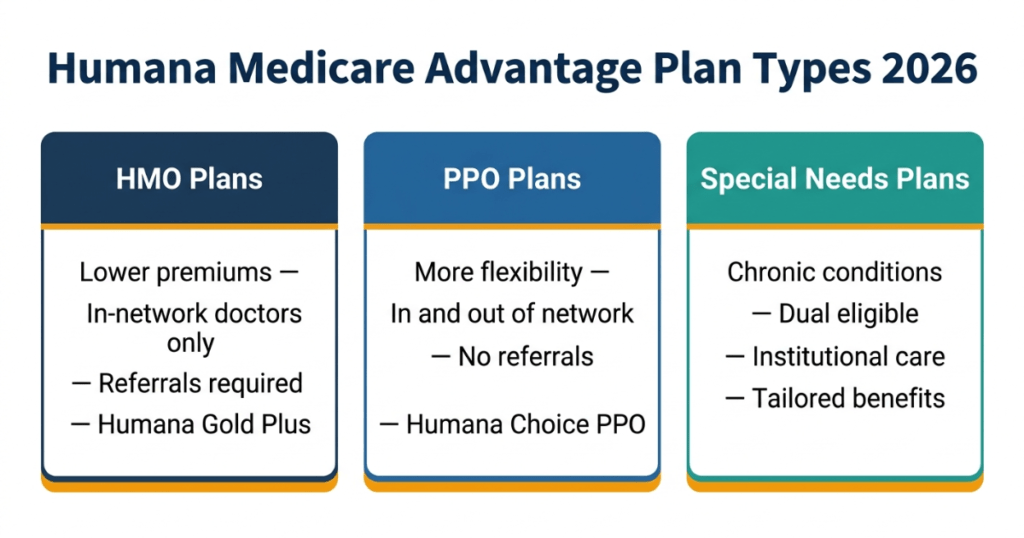
An HMO might be your best option if you're looking for a strategy with a low premium. A PPO strategy offers extra flexibility if you require more control over your health care. That's why looking into these strategies carefully, including their pros, cons, and average costs, is the finest primary step you can take before making a choice.

Latest Posts

Protecting Your Family With Final Expense Insurance
Maximizing Indexed Universal Life Cash Value Strategies

Comparing Individual Health Insurance Quotes Online